Room 2 of six
The Blue Box
Turbo Pascal, Turbo C, and the Borland decade — forty-nine dollars and the compiler that stayed resident in RAM.

-
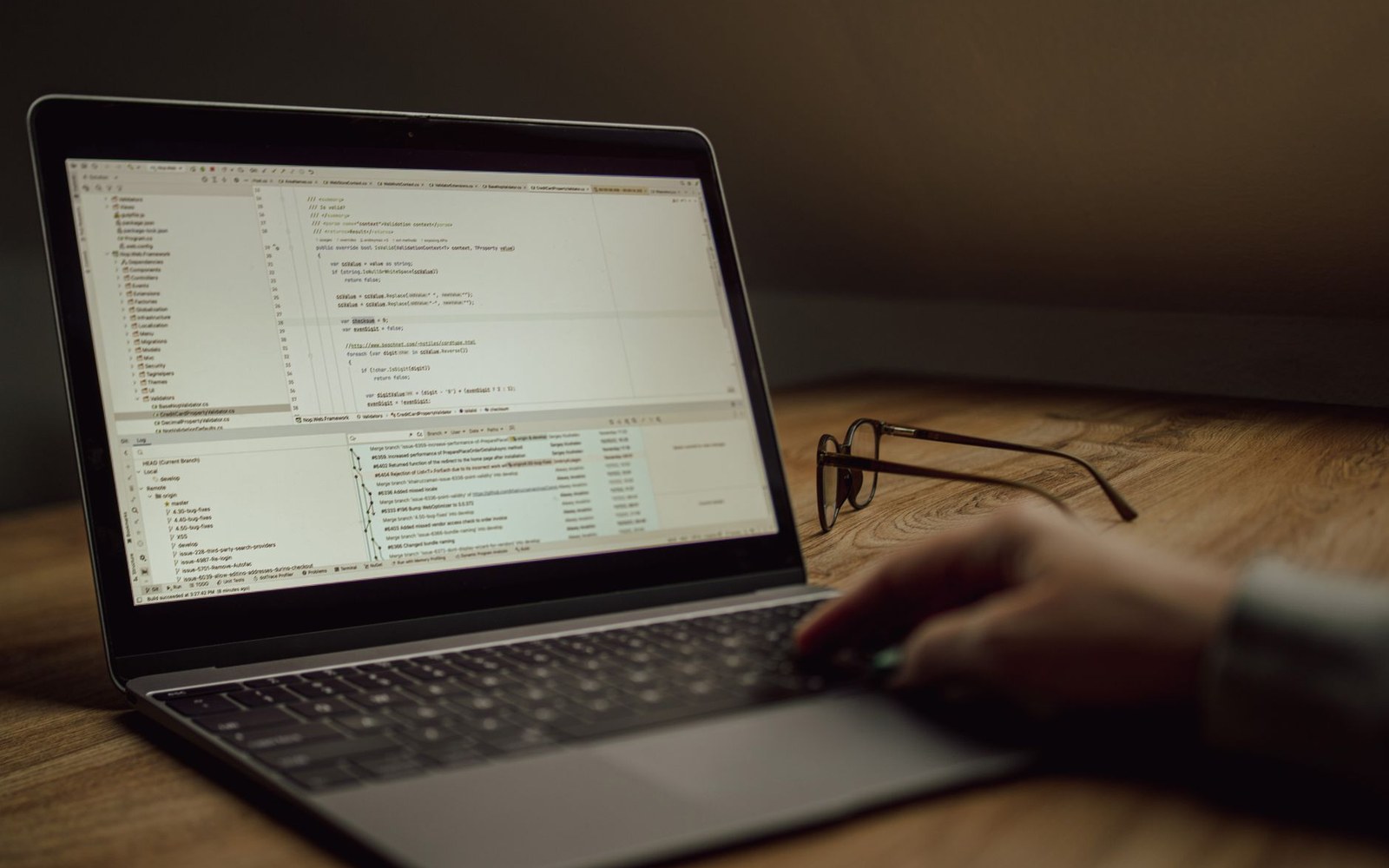
Forty-Nine Dollars and Ninety-Five Cents
Borland's Turbo Pascal shipped in November 1983 at $49.95 when a Pascal compiler cost hundreds and took minutes to run. This is the piece that centres the blue editor screen, the single-disk install, the compile-time measured in seconds, and what the price point did to who could afford a professional development tool.
-
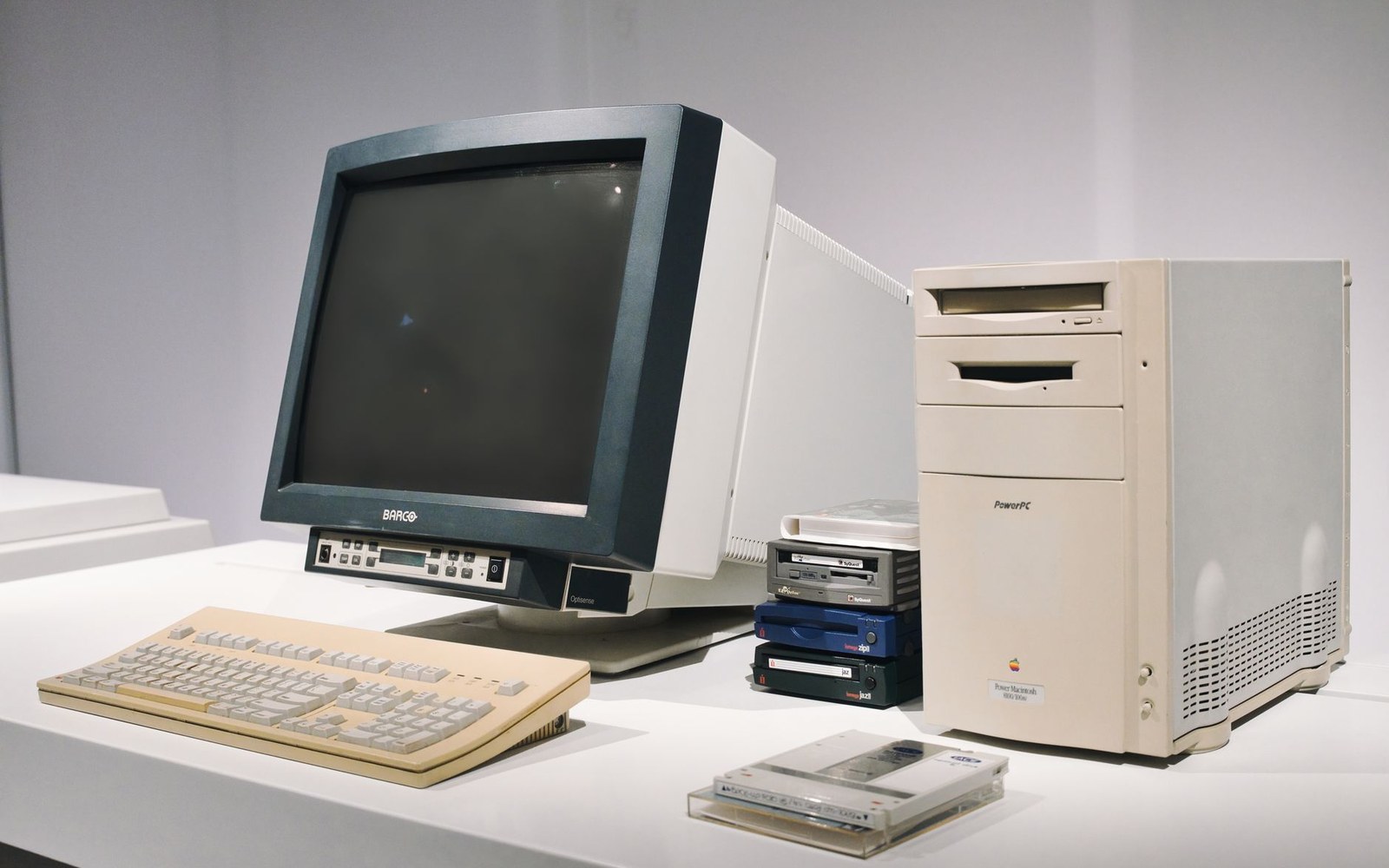
The Compiler That Stayed Resident
Anders Hejlsberg wrote Turbo Pascal's compiler in assembly language so it fit entirely in RAM — eliminating the disk-swap cycle that made competing tools feel slow. This piece examines the technical decision, the constraints of the 8088 and the 64 KB segment, and what staying resident meant for the editor-compile-run loop.
-
Borland, 1983 to 2009
Borland went from a garage in Scotts Valley to the third-largest personal-computer software company in the world, then lost the developer market it had built piece by piece across the 1990s and into the 2000s. This is the arc: Turbo Pascal, dBase acquisition, Delphi, the Microsoft price war, the Inprise rebrand, and the 2009 sale of the IDE business.
-
When C Stopped Costing a Paycheck
Turbo C arrived in 1987 and applied the Turbo Pascal formula to C — a fast compiler, the blue editor, a price that undercut everything else. This piece covers the product, the reception, and what cheap C meant for a generation of DOS programmers who had been priced out of professional tools.
-
The Man Who Priced the Compiler
Philippe Kahn founded Borland and made the pricing decision that defined it — $49.95 against a market charging hundreds. This piece draws on documented interviews and Kahn's own public statements to examine the business logic, the Byte magazine full-page ad, and his role in Borland's trajectory through the 1980s and into the Delphi years.
The other rooms