Room 6 of six
On the Shelf
The later environments and the institutions behind them — Eclipse Foundation, JetBrains, GitHub and Atom, Visual Studio Code, JupyterLab, the licences they shipped under.
-
IBM Gave It Away and That Was the Point
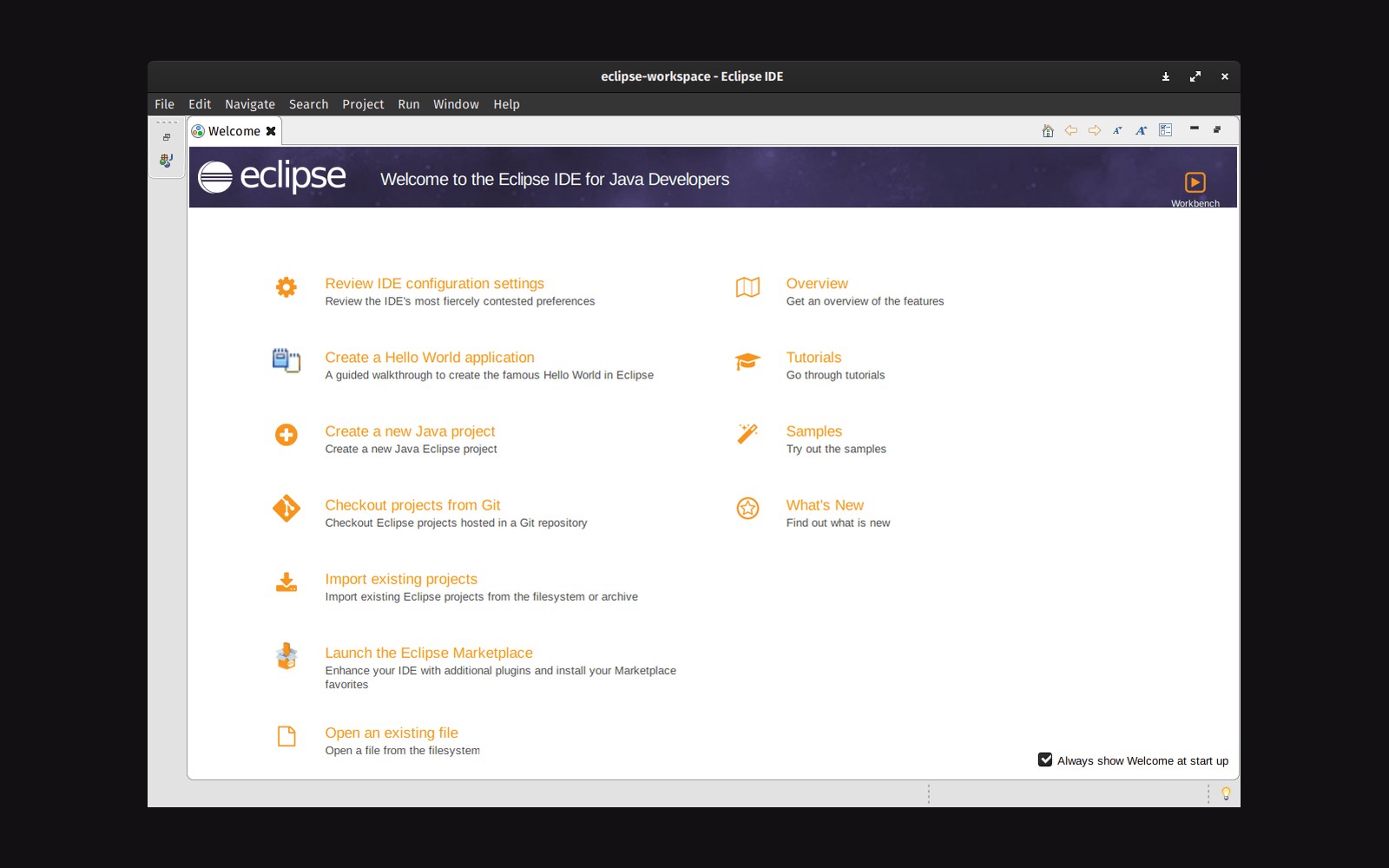
IBM released Eclipse in November 2001 under the Common Public Licence and donated the project to the Eclipse Foundation in 2004 — a strategic move to establish a vendor-neutral platform that could carry IBM's own tools. This piece covers the donation, the Foundation's formation, the perspective architecture, and why the open-source play made commercial sense.
-
IntelliJ IDEA Arrived With a Claim
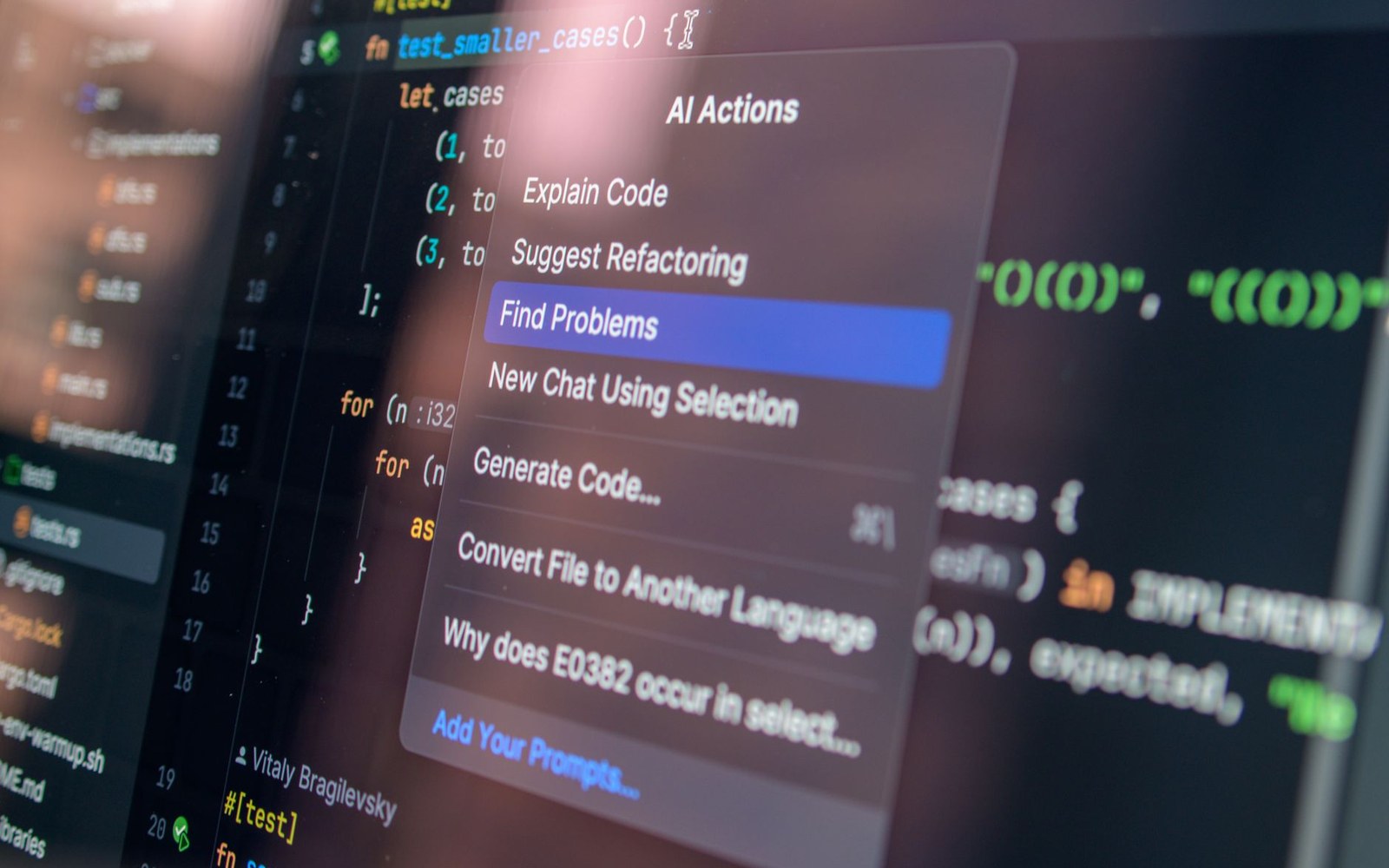
IntelliJ IDEA 1.0 shipped in January 2001 with automated refactoring — rename, extract, inline — as the headline feature, positioning the IDE against free tools by arguing that the edit was worth paying for. This piece examines the release, the original pricing, the Java developer audience it targeted, and the platform it eventually became.
-

Visual Studio Code, 2015 — How a Free Editor Won
Microsoft shipped Visual Studio Code in April 2015 under the MIT licence, built on Electron, with the Language Server Protocol and a marketplace as its architecture. This piece covers the release, the open-source decision, the extension model, and the adoption curve that made VS Code the most-used editor in the Stack Overflow Developer Survey within four years of launch.
-
Atom Was the Editor GitHub Built for Itself
GitHub released Atom in February 2014 as an open-source, web-technology editor built on what became Electron — a platform that VS Code later adopted and scaled further. This piece covers Atom's architecture, the CoffeeScript package system, its MIT licence, and its 2022 sunset, examining what it contributed to the editor landscape before it closed.
-

The Notebook Is Also an IDE
JupyterLab extended the Jupyter notebook format into a full development environment — file browser, terminal, text editor and notebook in a single browser-based window — blurring the boundary between the interactive REPL and the structured IDE. This piece examines the architecture, the IPython origins, and what the notebook paradigm changed about how data work is structured and reproduced.
The other rooms