Room 5 of six
The Builders
The people behind the tools — Hejlsberg, Stallman, Joy, Moolenaar, Kay, Ingalls, Gamma, Fowler, Beck, Dmitriev.

-
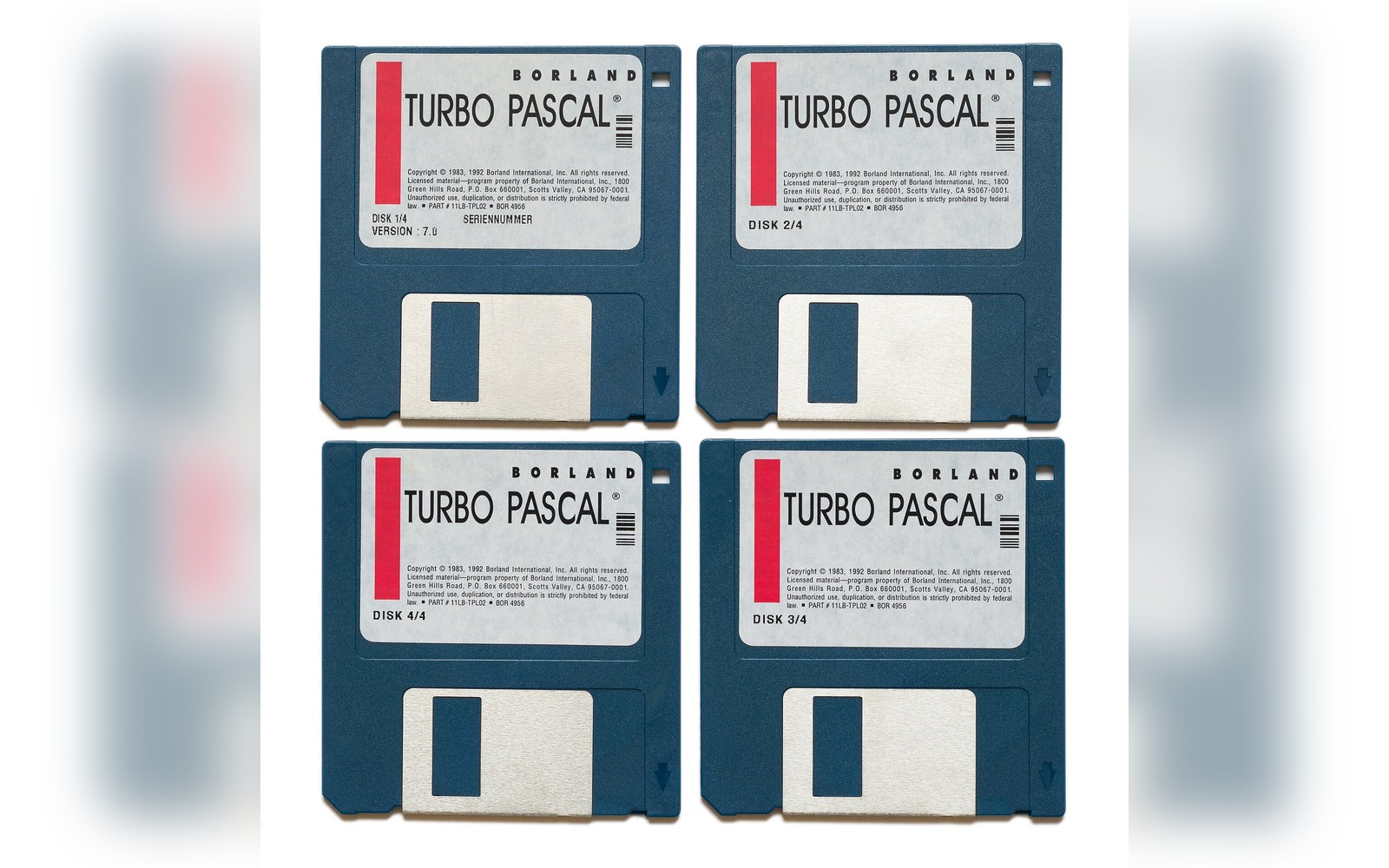
From Turbo Pascal to TypeScript — One Engineer's Through-Line
Anders Hejlsberg wrote Turbo Pascal's compiler in the early 1980s, led Delphi's design at Borland, moved to Microsoft to design C#, and then TypeScript. This piece traces the documented decisions across four decades — the RAM-resident compiler, the component model, the type system — as a single coherent argument about what programming tools should do.
-
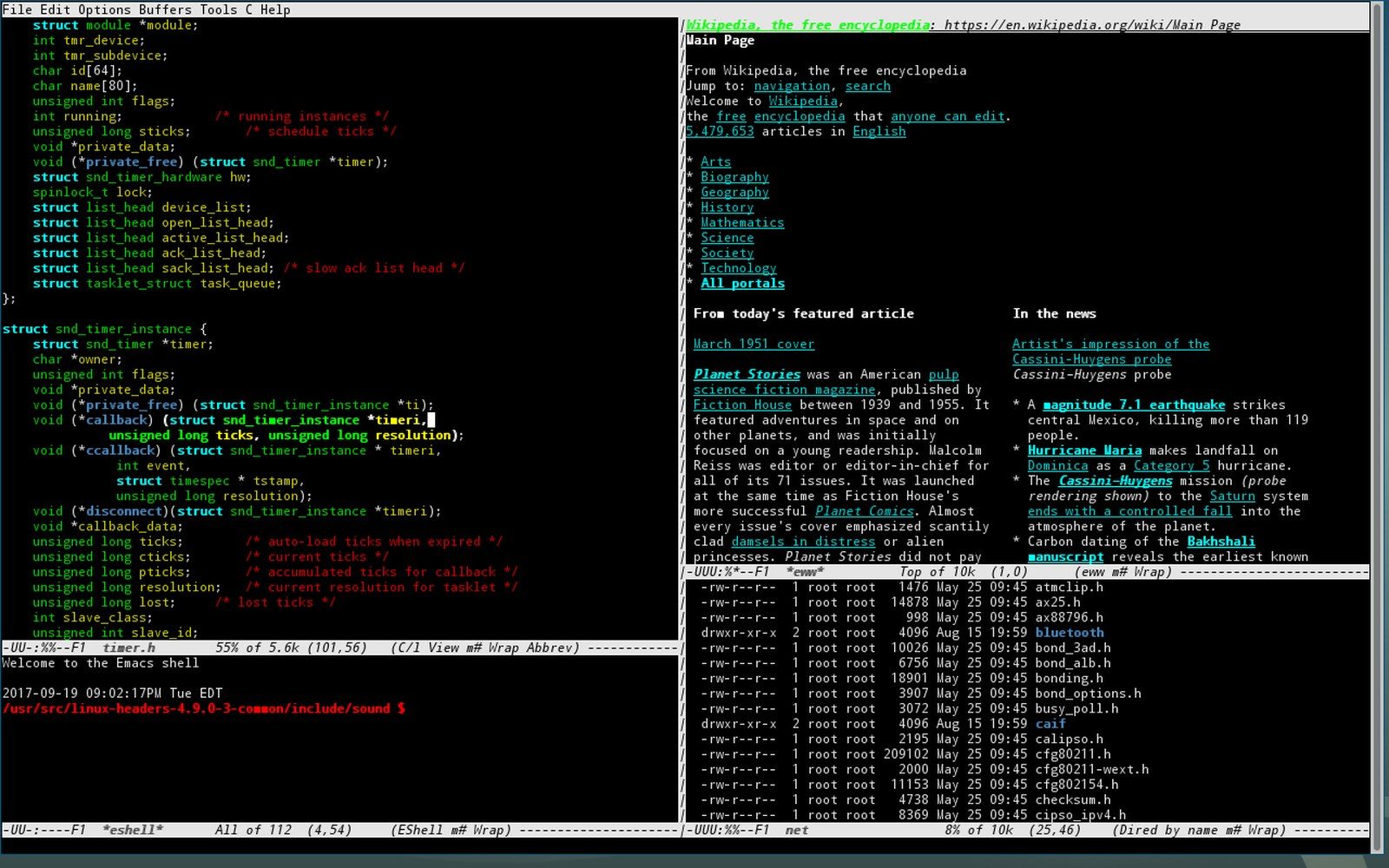
Stallman's Editor Was Also a Manifesto
Richard Stallman released the first version of GNU Emacs in 1985 under the GPL — an editor that was also the founding artefact of the free software movement. This piece covers the editor, the licence, the Free Software Foundation's founding in the same year, and what the GPL meant for the software that ran development environments for the next three decades.
-
Erich Gamma Built Two of the Defining Editors
Erich Gamma led the Eclipse project at IBM and later the Visual Studio Code team at Microsoft — two of the most consequential editors in the history of the IDE. This piece draws on his documented public statements and interviews to examine the architectural decisions that distinguished each project and what carried forward from one to the other.
-

JetBrains and the Argument That Refactoring Was Worth Paying For
Sergey Dmitriev co-founded JetBrains in 2000 and shipped IntelliJ IDEA in 2001 with refactoring as its commercial argument at a time when free editors dominated. This piece examines the product's original positioning, the Prague-to-St.-Petersburg company structure, and how JetBrains expanded the IDEA codebase into a platform for twelve language-specific IDEs.
-
The People Who Built the Room
Alan Kay conceived the Smalltalk environment as a medium, not a tool; Dan Ingalls wrote the bytecode interpreter and much of the class library that made it run. This piece draws on their documented accounts of the Xerox PARC years — the bitmapped display, the overlapping windows, the image that held the whole system — to examine what they built and what it meant.
The other rooms