Room 1 of six
Green Screens
The first rooms where editor, compiler and debugger shared one window — Smalltalk-80, Emacs, vi, and the machines they ran on.
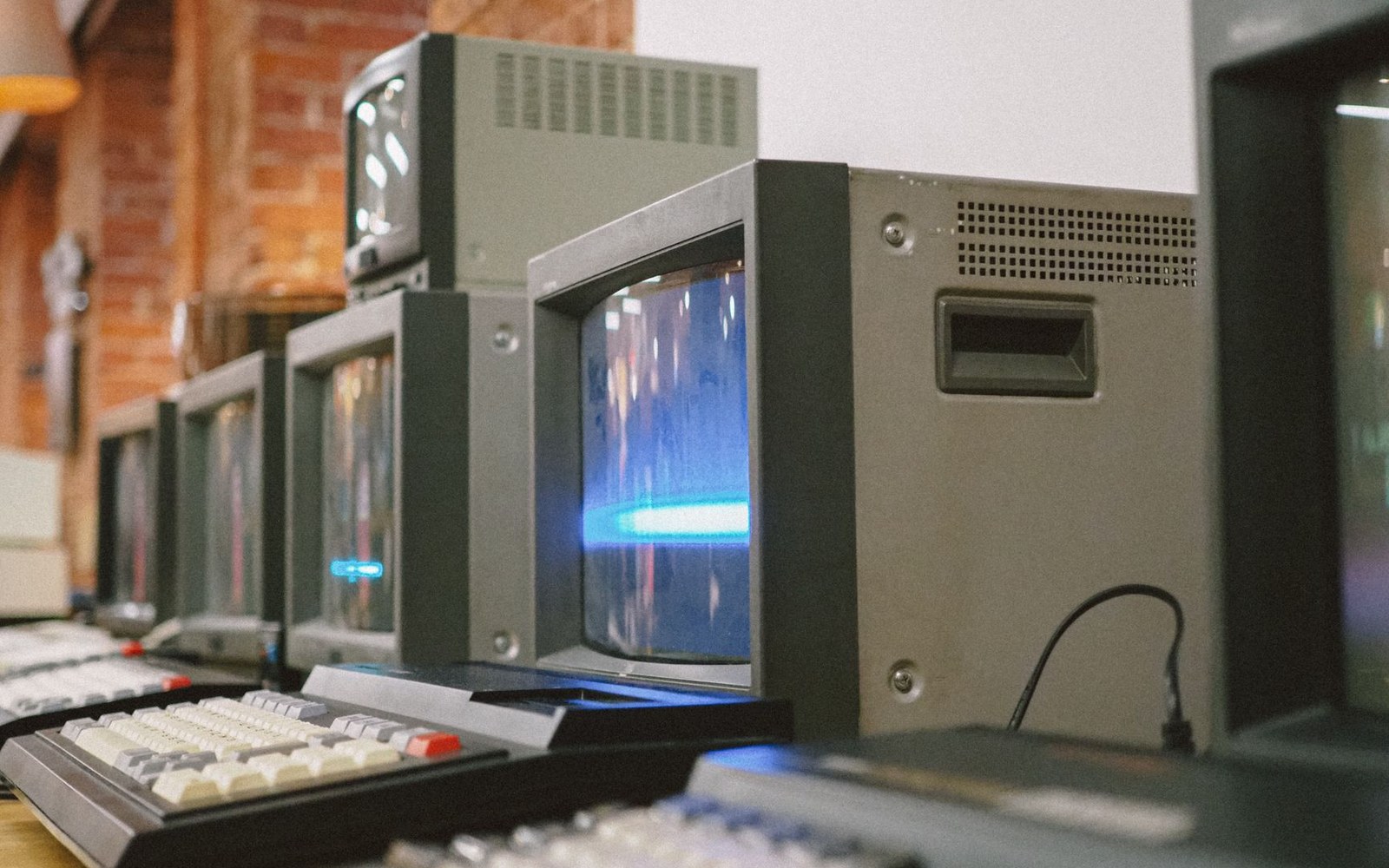
-
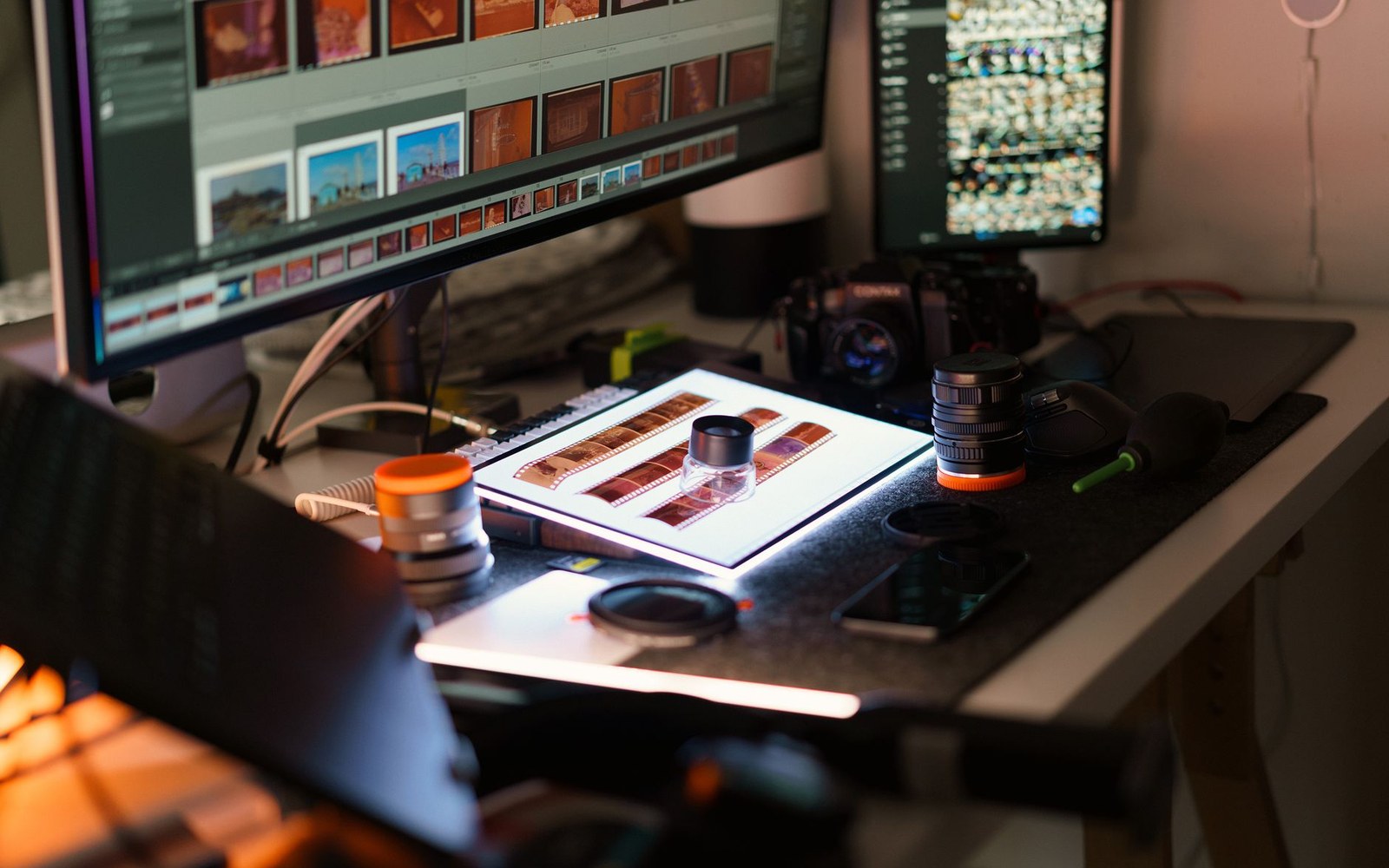
All of It in One Bitmapped Window
Smalltalk-80 at Xerox PARC by 1980 had an editor, a compiler and a debugger running inside a single bitmapped window — the first integrated environment in the modern sense. This piece traces what Alan Kay and Dan Ingalls built, what the interface looked like, and why it took another decade for the pattern to reach mass-market software.
-
Two Editors, One Year, Still Running
Emacs (Stallman, 1976) and vi (Joy, 1976) shipped the same year from different buildings and settled into different philosophies of what an editor should be. This piece sets them side by side at their origin — not as competing preferences but as two documented answers to the same 1976 problem.
-
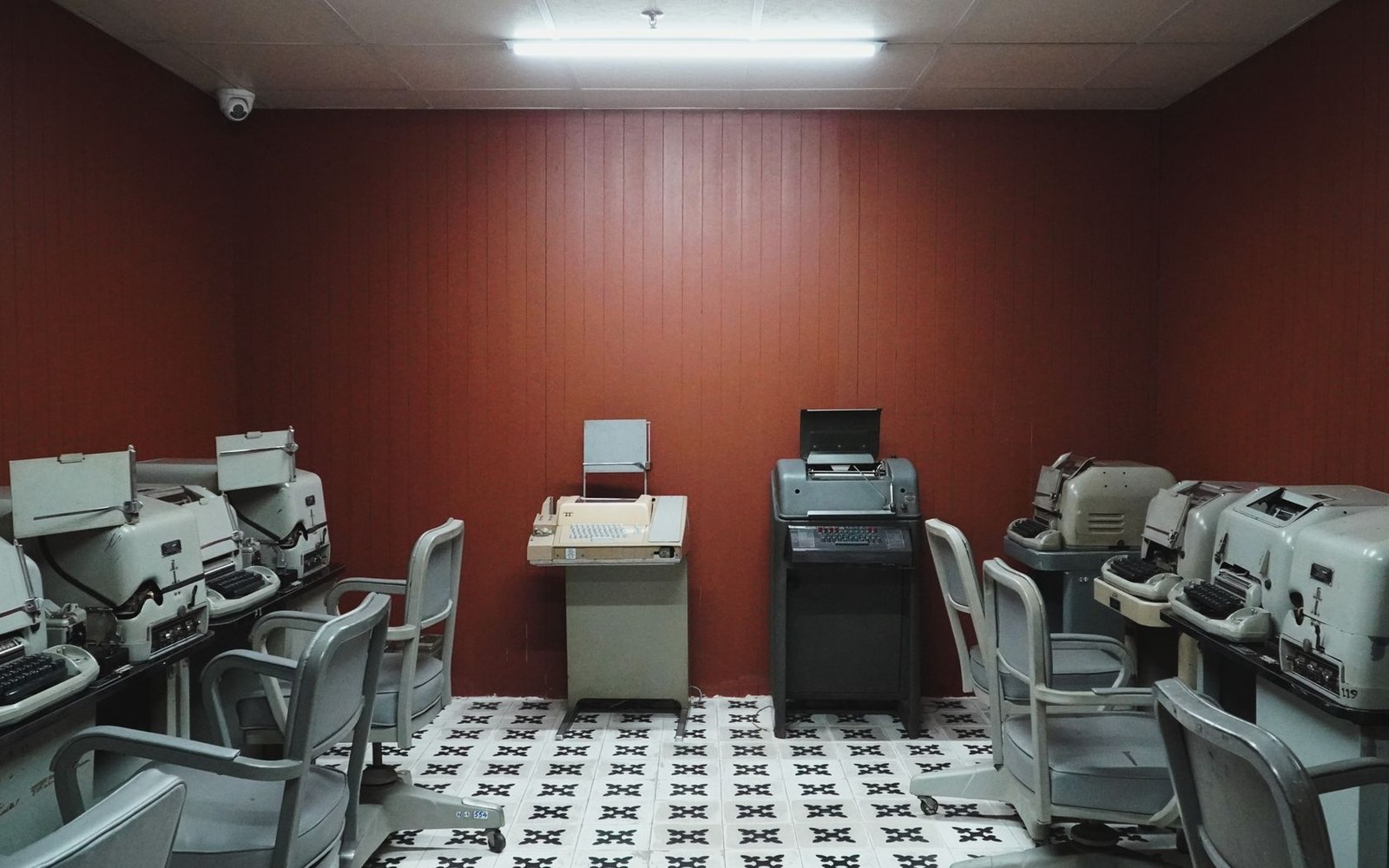
The Loop That Came Before the Window
The Read-Eval-Print Loop predates the graphical IDE by decades — Lisp machines ran it in the 1960s, and it shaped what interactive programming meant before bitmapped displays existed. This piece traces the REPL from its Lisp origins through its survival into JupyterLab and modern terminal workflows.
-
When the Compiler Did Not Make You Wait
Incremental compilation — recompiling only what changed — was the engineering argument that made an interactive IDE feel different from a batch system. This piece examines the idea in its early forms, from Interlisp in the 1970s through Turbo Pascal's single-pass compiler, naming the tradeoffs that shaped which IDEs adopted it and when.
The other rooms