The Edit That Justified the Price
IntelliJ IDEA 1.0 appeared in January 2001, the product of JetBrains, a company co-founded by Sergey Dmitriev and headquartered in Prague, Czech Republic. The Java IDE market already had Eclipse forming on the horizon and a range of free or low-cost tools occupying the desktop. JetBrains chose not to compete on price. The initial licence cost several hundred dollars — serious money against free alternatives — and the company's argument was simple: automated refactoring was worth it.
Refactoring as a named discipline had only just been catalogued by Martin Fowler in 1999, giving discrete names — Rename, Extract Method, Inline Variable — to transformations developers had always performed by hand. IDEA 1.0 made those operations mechanical and safe. A rename propagated through every reference in the project. An extract pulled selected code into a new method and wired the call site. These were not search-and-replace operations; they were semantically aware, working from a parsed understanding of the code. For Java developers maintaining large codebases, the argument landed.

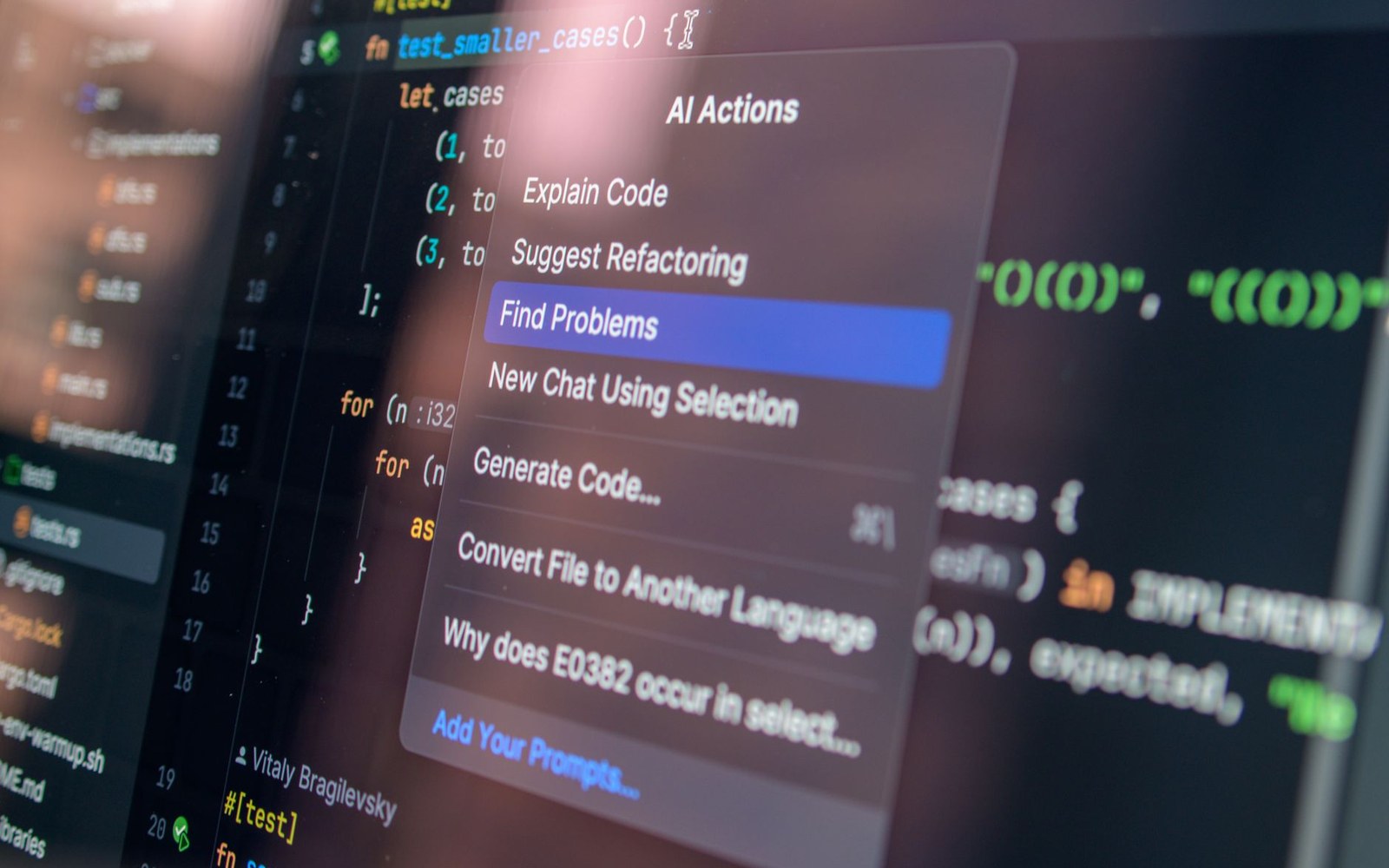
The IDE also shipped with what the team called deep code inspection — analysis that flagged unreachable code, redundant casts and probable null-pointer paths before the compiler saw the file. Combined with autocompletion rooted in the actual type system rather than a keyword list, IDEA presented itself as an environment that understood the program, not merely its text. Erich Gamma, who was building Eclipse at IBM at the same time, was working toward related goals; the two products would define the premium Java IDE competition for the following decade.
By the mid-2000s JetBrains had expanded IDEA into a platform, exposing a plugin architecture that allowed language support, build tools and version-control integrations to be layered on top of the core engine. The company later extracted that engine into separate branded products — PyCharm for Python, RubyMine for Ruby, WebStorm for JavaScript — each sharing the same inspection and refactoring infrastructure. The strategy turned a single Java IDE into a family of tools built on one common platform, and JetBrains' revenue model scaled with it.
IDEA 1.0's original claim — that developer tooling was worth paying for because the IDE actively understood the code — has since been absorbed into the industry's baseline expectation. Language Server Protocol, introduced by Microsoft in 2016, effectively standardised the semantic intelligence that IDEA demonstrated first. The product that began with a rename operation in a Java class had, over twenty-odd years, helped define what an editor was expected to know.